A dedicated development team is a complete, stable software team — developers, a designer, a product manager — that a vendor assembles to work on your product and nothing else, billed as one monthly team cost. You own the roadmap; the vendor owns delivery and keeps the same people on the work quarter after quarter.
The term gets stretched to cover everything from body leasing to plain outsourcing, and most guides ranking for it were written to sell you one. This one is meant to help you tell them apart — we offer every model discussed here and earn nothing by steering you to the wrong one. Below: what the model is, how it compares with staff augmentation and project outsourcing, when to hire one — and when not to — and how the pricing works. If you already know it fits, start at our dedicated development team page or the wider software development services.
What a dedicated development team is — and what it is not
Three things define the model. First, it is a team, not a list of people: engineers, a designer when the product needs one, and a product manager who answers for delivery as a unit. Second, it is exclusive: the squad works on your product only, with no context split across clients. Third, it is continuous: the same people stay long enough for product knowledge to compound — the expensive first month of learning your domain is paid once, not per contractor.
Just as important is what it is not. It is not staff augmentation with better marketing — if the vendor sends individuals to plug into your management, that is a different model with different economics. And it is not project outsourcing — there is no fixed specification the vendor disappears behind. You direct what gets built next; the vendor makes sure it gets built well. That split — product direction yours, delivery theirs — is the entire point of the model, and the first thing to verify when a vendor uses the label.
Dedicated team vs staff augmentation vs project outsourcing
The three models answer different questions. Outsourcing answers “build me this.” Staff augmentation answers “lend me people.” A dedicated team answers “be my product team.”
| Dedicated team | Staff augmentation | Project outsourcing | |
|---|---|---|---|
| Control over priorities | You set direction and priorities; the backlog is yours | You, fully — engineers take tasks from your managers | The vendor delivers against an agreed specification |
| Who manages delivery | The vendor’s product manager, inside the squad | Your managers; the vendor stays out of it | The vendor, end to end |
| Team continuity | Same squad for the whole engagement; knowledge compounds | Per engineer — people rotate as your needs change | Team assembles for the project and disbands at handover |
| Pricing model | Monthly team cost | Monthly rate per engineer | Fixed price or per milestone |
| When it wins | Evolving roadmap, product horizon past three months | Strong in-house engineering management that needs capacity | Fixed, well-specified scope with a clear end |
Project outsourcing wins when scope genuinely holds still: a defined build with an end state everyone can describe — you transfer delivery risk and pay for it in the quote. Staff augmentation wins when the missing ingredient is hands, not direction: your CTO runs the architecture, and two more engineers under your management beat any external team. A dedicated team wins when the product itself is the long-term work — not a project delivered but a product owned, month after month, by people who remember why last quarter’s decisions were made.
When to hire a dedicated development team
The signals are practical, not philosophical:
- Your roadmap moves faster than a specification can freeze. If half your fixed-price budget goes into change requests, you are paying for flexibility without getting it.
- You need product ownership, not just output. There is nobody in-house to turn business goals into a backlog and weekly technical decisions — the team must bring that layer with it.
- The horizon is longer than three months. Continuity needs time to pay for itself: a team still there in month six knows things no handover document contains.
- Hiring in-house is too slow for the window. Recruiting a full product team takes far longer than pointing an existing one at the problem — and unwinding a hire is harder than ending a contract.
And the reverse signals. If scope is fixed and short — a defined build like a first product version — fixed price is cheaper and cleaner; that path is covered under MVP development. If you have engineering management and only lack capacity, staff augmentation adds people without a management layer you already own. If the budget cannot sustain a full team every month, start with a smaller bounded engagement instead. The most expensive arrangements I have seen were dedicated teams sold against fixed-scope problems: the client paid every month for flexibility nobody used.
How dedicated team pricing works
The commercial shape is simple: one monthly invoice covering the squad’s run-rate. What moves the number is the team itself — how many engineers, at what seniority mix, whether the designer and product manager are full-time or fractional, and how long you commit for. There is no per-feature price and no re-estimation loop: you are buying a month of a team’s full attention, directed wherever you choose. We quote from a team list after discovery rather than from a rate card — two squads of the same size can carry very different seniority, which is exactly what a rate card hides.
The trade-off against fixed price is symmetrical. Fixed price gives you a predictable total and an unpredictable relationship: every discovery mid-build becomes a negotiation, and the vendor prices that risk into the quote. A dedicated team gives you a predictable month and an open-ended total: no change-request bureaucracy, but the contract stops policing your spending — your roadmap has to. That is the real cost of the model’s freedom: it only works with someone on your side who prioritizes ruthlessly.
Against in-house hiring, compare like for like: not salary lines against the invoice, but the fully loaded picture — recruiting time and fees, employment costs, management overhead, and the risk carried if the product pivots. The dedicated model converts all of that into one number with a notice period; whether that trade is worth it depends on your horizon — the three-month signal matters more than any rate comparison.
How the model runs in practice
At Momentum Squads the unit of delivery is the squad, and it has been from the start in 2017. We keep standing squads — a Web/Mobile squad and a Chatbot/AI/IoT squad — and assemble dedicated squads per engagement: a product manager as single point of contact, the engineers the scope demands, a designer when needed. You always have a direct line to the people writing the code, not just the person reporting on them.
The cadence is the same on every engagement: working software every week or two, visible in staging, so you steer between iterations instead of auditing status decks. Discovery starts it: one call and a short brief, then a scoped plan and a team list. The full rhythm is on how we work.
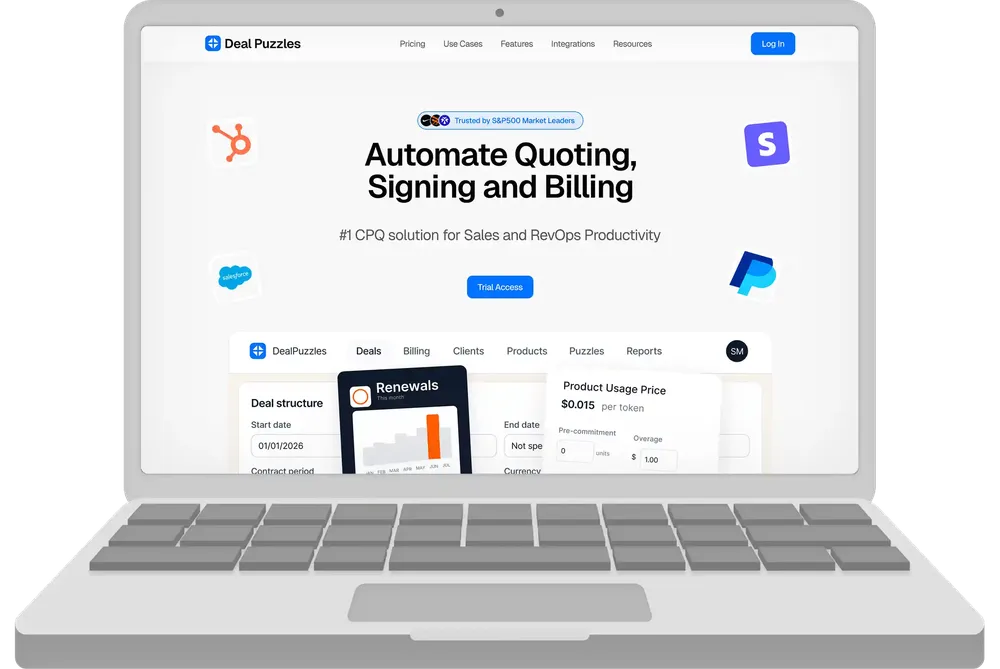
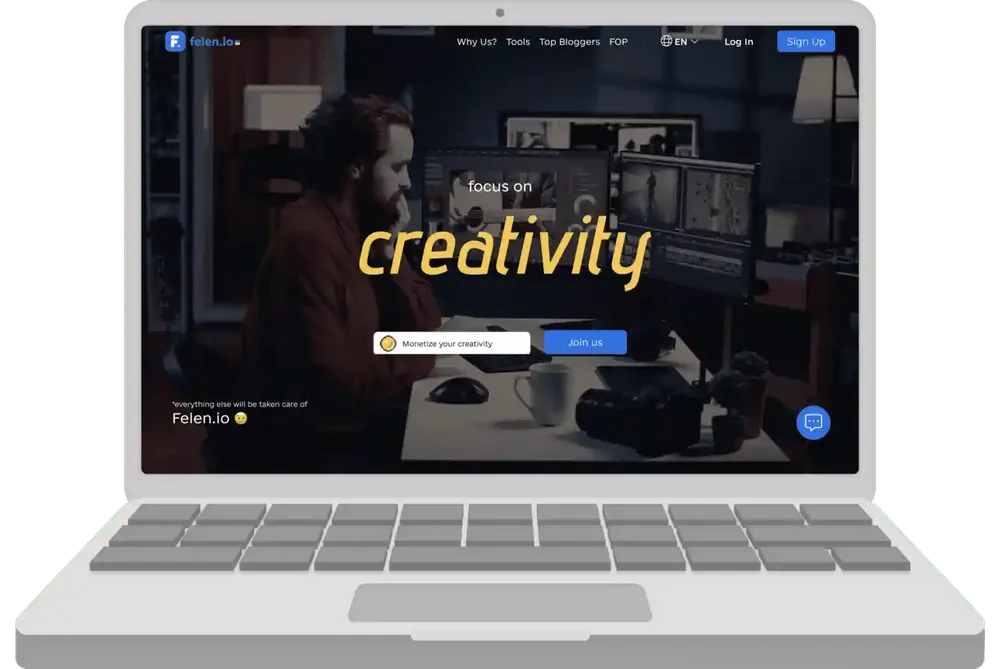
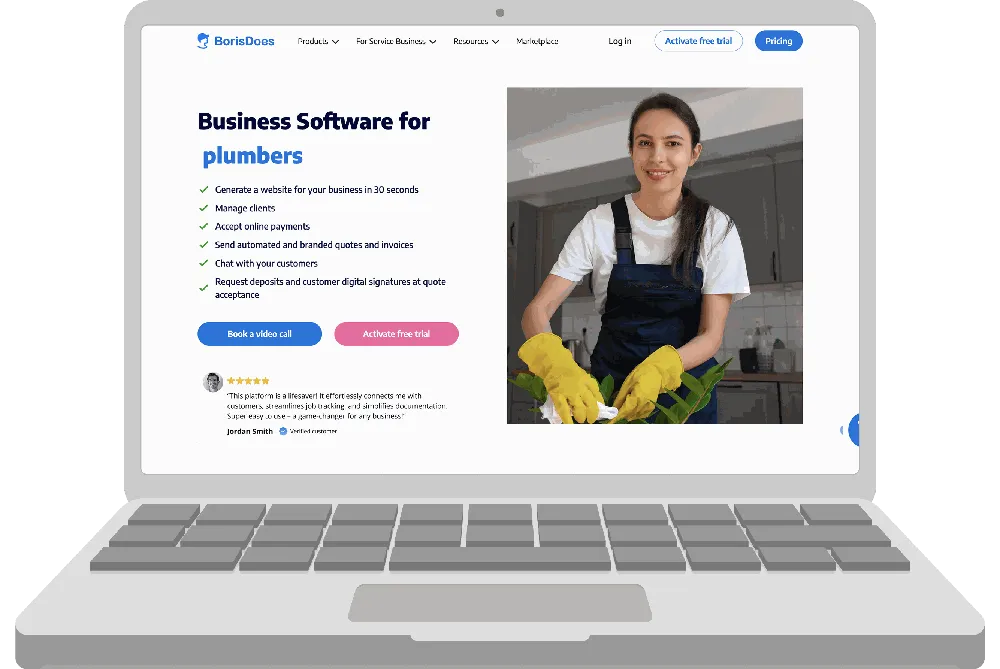
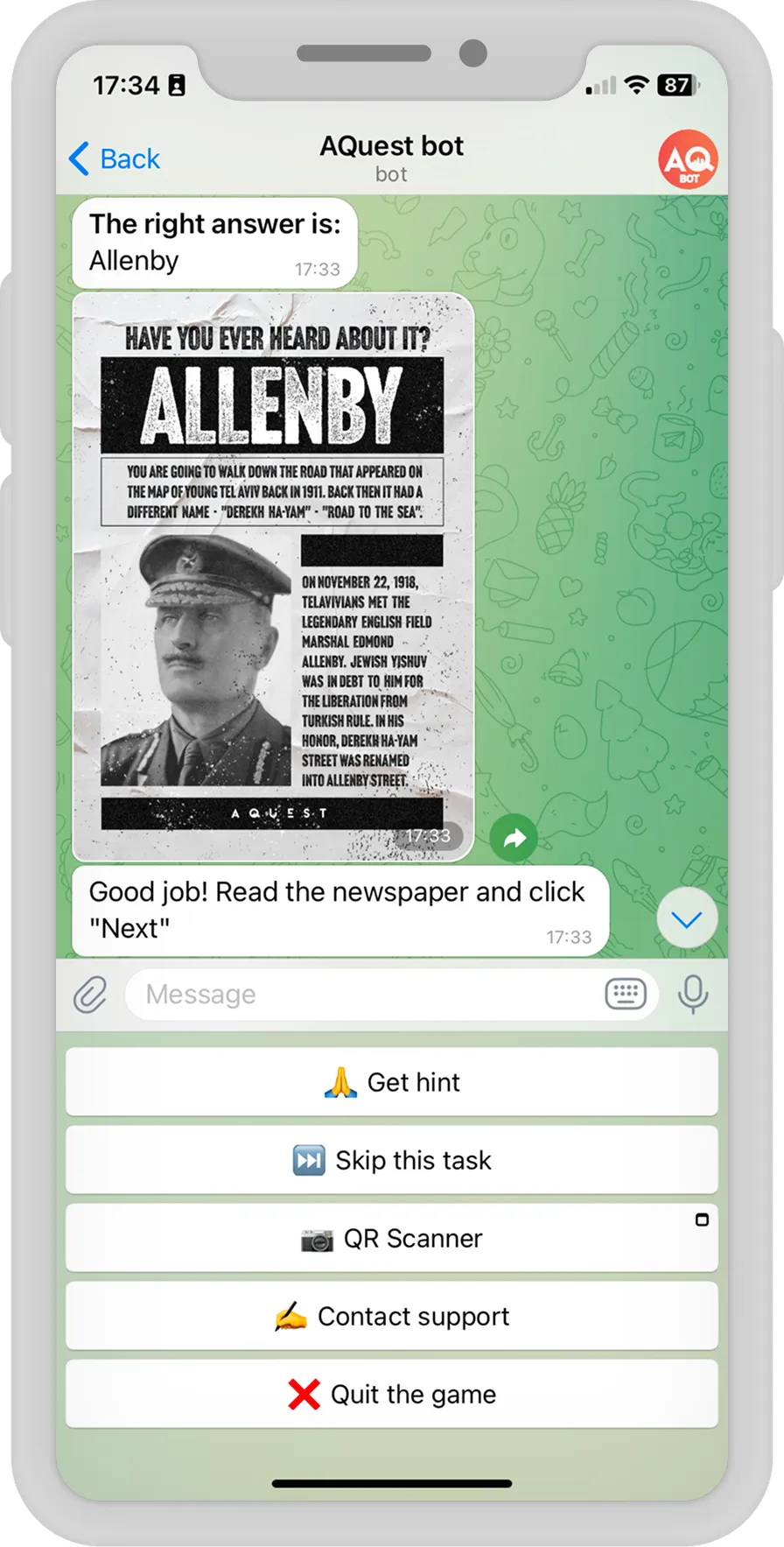
The clearest argument for the model is the shape of the products it exists for. Felen, a global content-monetization platform, runs on microservices, real-time WebSockets, and a custom payment aggregator handling fiat and crypto — a system with a permanent roadmap, not an end date. On BorisDoes, a freelance marketplace serving 3,000+ users in Australia, we worked as lead developers owning everything from task-creation flows to real-time messaging. DealPuzzles is CPQ middleware unifying Zoho, HubSpot, and Salesforce — an integration surface that never stops evolving. The chatbot platform for automotive dealers launched for Hyundai, Škoda, and Suzuki networks was designed from day one to be adapted to further brands. And longevity is measurable: AQuest, our quest chatbot for the Israeli market, has been live and generating stable revenue for over six years.
Red flags when evaluating vendors
- The team is anonymous until the contract is signed. Expect the seniority in the proposal and the seniority on the project to differ.
- “Dedicated team” with no product manager attached. That is a staffing list wearing the label — the management layer is what the premium buys.
- No named clients, no products you can open. A portfolio of NDA silhouettes says nothing about whether the work survives contact with users.
- A monthly price arrives before any questions about your product do. A quote that needs no discovery priced a generic team, not your problem.
- Lock-in mechanics. Vendor-owned repositories, vague IP clauses, punitive notice periods — continuity should come from the team being good, not from exit being expensive.
- Reporting instead of software. If the demo culture is presentations rather than something deployed you can click, the cadence will not improve after signing.
How to evaluate a dedicated team vendor: 7 steps
- Write the twelve-month product picture. One page, outcomes rather than features. If it fits in a frozen specification instead, stop here and buy fixed price.
- Run the fit signals. Evolving roadmap, ownership gap, three-month-plus horizon — the model should clear at least two before you shortlist anyone.
- Ask for named, live work. Cases with clients you can verify and products you can open, ideally still running years after launch.
- Meet the actual squad before signing. Ask the product manager and a lead engineer — not the sales call — how they would start on your product.
- Put the cadence in the contract. Demo rhythm, staging access, a direct channel to engineers — agreed in writing, not assumed.
- Pin ownership on day one. Repositories, infrastructure, and IP under your accounts from the first commit.
- Bound the first engagement. Discovery plus a month or two as the proving ground — a confident vendor treats renewal as their incentive, not your obligation.
Frequently asked questions
What is the difference between a dedicated team and staff augmentation?
The unit and the management. Staff augmentation rents you individual engineers who work under your managers — you supply direction and process. A dedicated team is a complete unit with its own product manager: the vendor answers for delivery, you stay in control of what gets built.
Who manages a dedicated development team?
Both sides, at different altitudes. You own priorities, roadmap, and what next month is spent on. The vendor’s product manager runs delivery day to day and answers to you for it, with the engineers reachable directly rather than through a reporting wall.
How fast can a dedicated team start?
Weeks against months. The vendor assembles the squad from engineers who already work together, so the setup cost is discovery and onboarding, not recruiting and notice periods. Building the same team in-house usually takes a quarter or more before the first productive sprint.
Can we scale the team up or down during the engagement?
Yes — with notice; that flexibility is one of the model’s main advantages over hiring. Adding or releasing an engineer is a conversation, not a restructuring. Be skeptical of vendors promising overnight changes: a real team absorbs new people at a human pace.
What is the minimum engagement length?
In our experience, around three months. Below that, the continuity you are paying for never compounds — the team spends the engagement learning your domain and leaves as that investment starts returning. For shorter, well-defined work, fixed price is the more honest structure.
Who owns the code and intellectual property?
You should — explicitly, in the contract, with repositories and infrastructure under your accounts from day one. This is standard for the model, so treat hesitation as disqualifying: a vendor whose retention depends on holding your codebase is telling you how the relationship ends.
Where this leaves you
We have been selling squads — not hours — since 2017, across 190+ clients in eight countries, and the number we manage the company by is that three clients out of every four hire the same team again — a continuity business survives on that metric alone, which keeps the advice above honest. If the signals point your way, start at dedicated development team services; if you are still weighing models, one discovery call usually settles it.