A SaaS MVP is the smallest version of your product that real users can pay for — typically 4–12 weeks of work for a small senior team. The budget follows scope, integrations, and design depth rather than any market average, which is why validation before the build is the highest-return work in the whole project.
I have scoped enough first versions to know where they fail — rarely in the code. They fail six months earlier, in scope: a “minimum” product that quietly became a maximum one, built for users nobody talked to. Below: what belongs in a SaaS MVP, what the 4–12-week frame contains, what moves the cost, and how to validate before spending real money. When you are ready to scope yours, start at MVP development, see the wider picture at software development services, or read how we work first.
What belongs in a SaaS MVP — and what doesn’t
An MVP has one job: prove that real users will pay for the core of your idea. Everything in the build either serves that proof or steals time from it. The version that ships in 4–12 weeks contains five things:
- Discovery. The one workflow that delivers your product’s core value, written down precisely enough to build — and to say no to everything else.
- UX for that workflow. Not a design system — a clean, credible interface for the path a paying user actually walks.
- The core build. The single job the product does. One primary user role, one happy path that works end to end.
- Auth and payments. If the question is “will they pay,” the product must be able to take money — sign-up, subscription or checkout, receipts.
- Deployment and measurement. Live infrastructure and analytics — an MVP that can’t report activation and conversion can’t answer the question it was built to ask.
What does not belong: the second and third user role, settings screens nobody asked for, integrations no paying customer has demanded, single sign-on, native apps alongside the web app, and infrastructure for load you do not have. The discipline is to scope ruthlessly — cut features, never quality — and keep the architecture clean enough to grow instead of throw away.
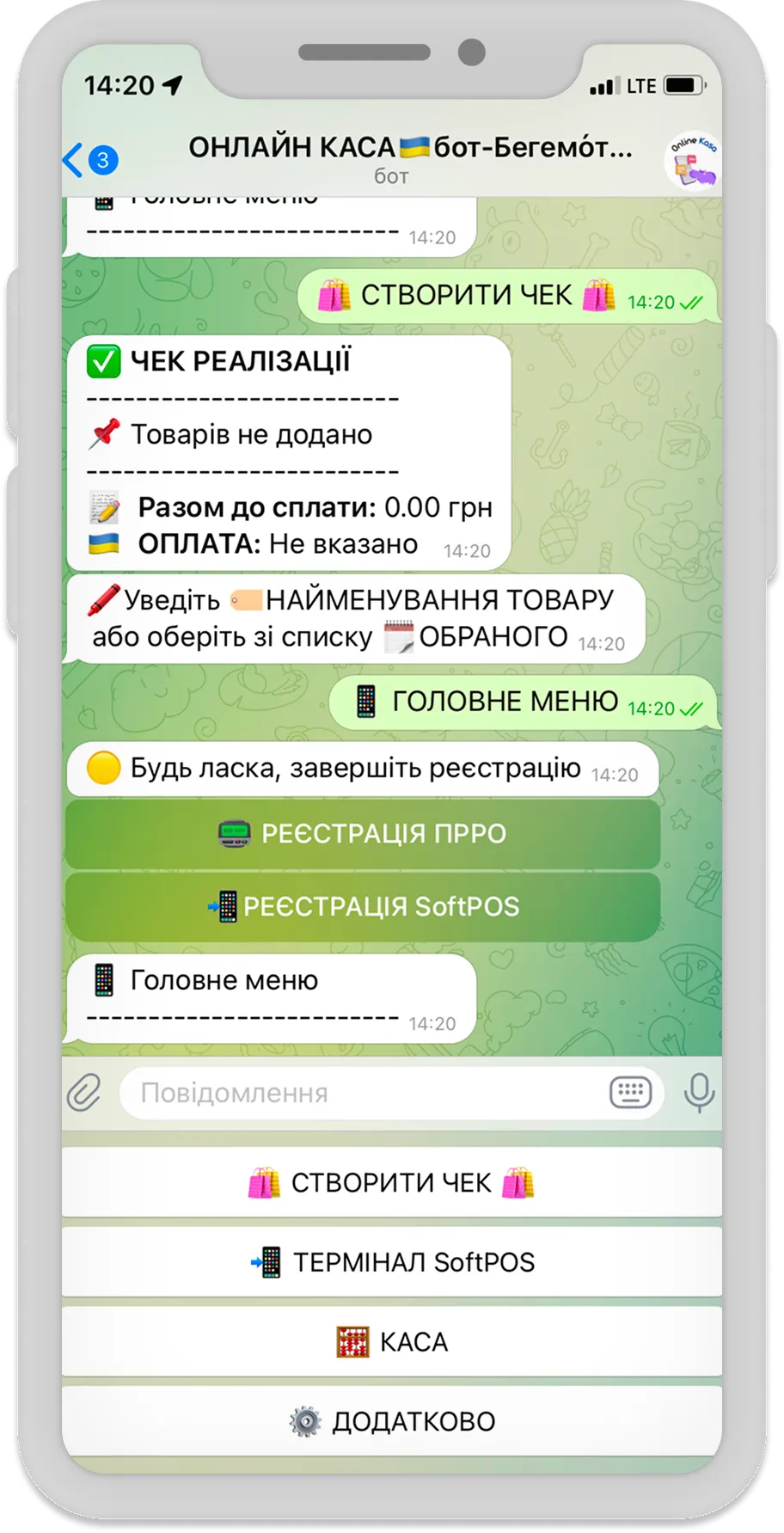
Scoping ruthlessly sometimes changes the shape of the product itself. Online Casa, a sales and fiscalization product we built for small businesses, delivers its entire workflow through a chatbot interface: users sell goods, issue fiscal receipts, take card payments by tapping a card on a smartphone, and handle tax reporting — no heavyweight app to learn. The right first version is not always a smaller copy of the final vision; sometimes it is a faster route to the same value.
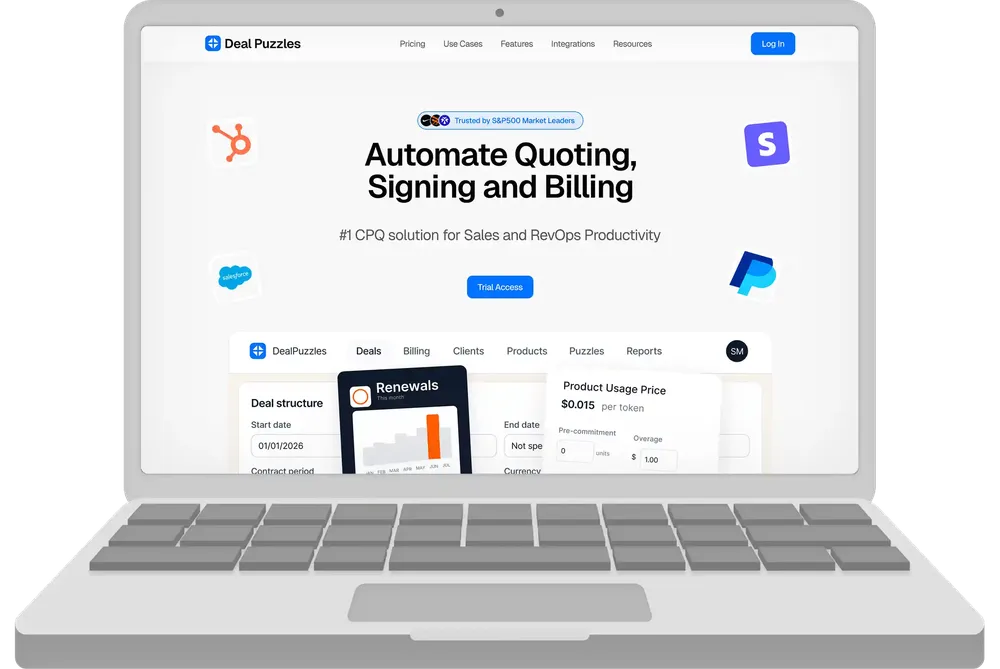
The far end of the road is worth keeping in view. DealPuzzles, a B2B SaaS platform we built for sales and RevOps automation, generates AI-driven quotes in seconds, collects recurring payments through Stripe, and doubled the speed of signed and paid deals. You do not get there by building everything first, but by shipping the version that proves the core and growing it.
How to validate before you write a line of code
Every week of validation is cheaper than any week of development. The methods below are ordered by cost; most SaaS ideas deserve the first two before anyone opens an editor.
| Method | What it tests | Effort | What a pass looks like |
|---|---|---|---|
| Problem interviews | Does the problem exist, and does it hurt enough to pay for? | 10–15 conversations, 1–2 weeks | People describe the problem unprompted and can say what it costs them today |
| Landing-page test | Does the promise convert strangers, not friends? | One page plus a modest ad budget, 1–2 weeks | Cold visitors leave an email — or a pre-order — at a rate you would accept for the real product |
| Concierge / manual-first | Will people pay for the outcome before the software exists? | Deliver the service by hand to the first users | Paying customers — and a written record of the exact workflow your MVP must automate |
| Template-based pilot | Can an adapted existing product carry the idea to market faster? | Configuration and branding, not a from-scratch build | Real usage data that tells you whether — and where — a custom build is worth it |
In sequence:
- Write the problem down and run 10–15 problem interviews. Talk about their workflow, not your solution. If nobody describes the pain without prompting, stop here — that is the cheapest failure in software.
- Put a landing page in front of cold traffic. One page, one promise, one call to action, a small ad budget. The asset still has to be credible — a page that looks abandoned tests nothing. Streamboost shows what that asset looks like done properly: a fast-loading promo landing with 3D animation and scroll-triggered effects, built to convert.
- Deliver the service manually to your first users. The concierge stage feels unscalable because it is — that is the point. It produces revenue before software exists, plus a precise map of what to automate first.
- Make the template-versus-custom call honestly. A standard process points at a proven template — the faster, cheaper launch. A process that IS your advantage deserves custom code, priced by what validation showed. We build both, so we will say straight which one your case is — trade-offs covered in our article on custom solutions versus template products.
- Scope the MVP to one workflow with a kill criterion. Define the single path a paying user walks, the numbers that count as a pass, and — hardest of all — the number at which you stop. An MVP without a kill criterion is just a small product with big hopes.
The 4–12-week frame: what the timeline contains
A properly scoped SaaS MVP ships in 4–12 weeks. Week one or two is discovery and UX: fixing the workflow, screens, and acceptance criteria. Then the core build runs in short iterations — working software every week or two, so you steer the product instead of waiting for a final reveal. The last stretch is payments, deployment, analytics, and the unglamorous edge cases that separate a demo from a product.
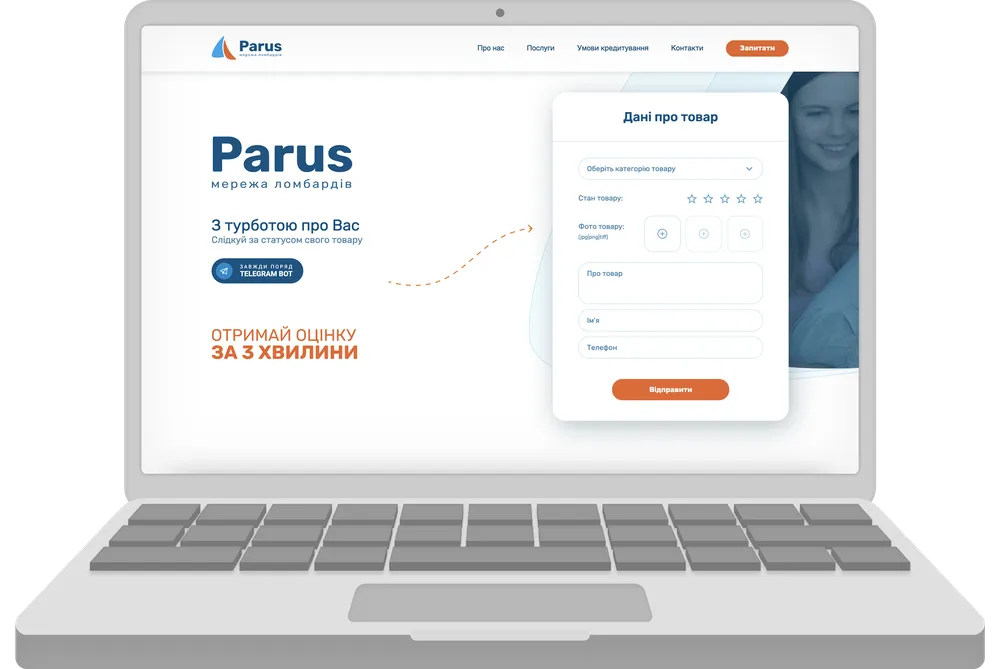
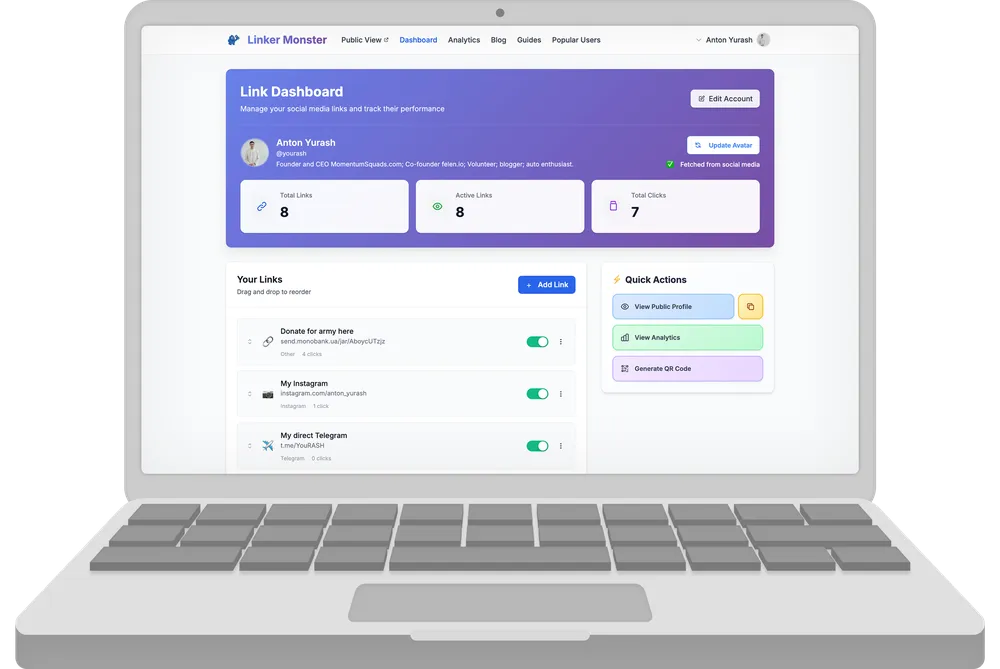
Where you land inside the band is set by scope: a single workflow with a template head start sits at the early end; a from-scratch build with payments, several external systems, and a design-led interface fills all twelve weeks. In our portfolio, Linker Monster shipped on a deliberately limited timeframe as a full first version — landing site, drag-and-drop dashboard, analytics panel, and a built-in blog, with AI tools used to accelerate development — and came out, in the words of the case itself, a “clean, fast, and scalable MVP that’s ready for real users.” Parus Pawnshop went live the same way: a branded website with an instant collateral calculator plus a chatbot mirroring the site’s functionality, developed and launched in a short timeframe.
One honest caveat: past the first sprint, the biggest schedule variable is usually not engineering speed but decision speed and content readiness on the founder’s side.
What a SaaS MVP costs — the factors, not the averages
If you go looking for a market number, published MVP cost guides quote figures from the low tens of thousands of dollars to well past a hundred thousand — a spread so wide it mostly proves averages useless here. An MVP budget is, at bottom, a small senior team for 4–12 weeks; what decides the number is which end of the band your scope demands:
- Workflows and roles. One user role with one core path is the baseline. Every additional role — admin consoles, partner views, team accounts — multiplies screens, permissions, and testing.
- Payments and billing. A checkout is simple; subscription billing with trials, upgrades, invoices, and refunds is a project of its own. Take payments in v1, but take them simply.
- Integration depth. Each external system the product talks to brings its own API contract, failure modes, and edge cases — the classic quiet budget-mover.
- Design depth. A clean standard UI and a design-led experience are different budgets. For most MVPs, credibility — not beauty — is the bar.
- Template versus custom. Where a proven template fits, most of the engineering already exists and you pay for adaptation. Where the process is your differentiator, custom is the honest answer — and costs like one.
- Compliance and data. Fiscal reporting, GDPR, financial data — regulated corners add review cycles and infrastructure decisions generic estimates never include.
We deliberately do not publish a fixed MVP price: one number across builds this different would mislead more than it helps. Instead we scope from one discovery call and a short brief — and say plainly which factors are driving your estimate, and which you can cut.
When not to build yet
Sometimes the most valuable thing a development company can say is “not yet.” Do not start a build while any of these are true: you cannot name ten people with the problem; your interviews were pitches with a question mark at the end; no landing test has seen cold traffic; nobody has paid for a manual version of the outcome; or the feature list is still growing week over week. None of these are solved by engineering — building earlier only makes the lesson more expensive. The build will still be there in a month, and it will be a better one.
Frequently asked questions
How long does SaaS MVP development take?
A properly scoped MVP ships in 4–12 weeks. A single workflow with a template head start lands at the early end; a from-scratch build with payments, integrations, and a design-led interface uses the full frame.
How much does a SaaS MVP cost?
Published market guides quote everything from the low tens of thousands of dollars upward — which mainly shows that scope sets the price, not averages. The real drivers are workflows and roles, payments complexity, integration depth, design depth, and the template-versus-custom call. We scope from one call and a short brief, and tell you which factors are driving your number.
Should we build on a template or fully custom?
For an MVP specifically, treat the template as a validation vehicle: launch on it, let real usage tell you which parts of the product carry your advantage, and spend custom-build money only on those parts — priced by data instead of guesses. The general custom-vs-template decision logic is on our services hub; the MVP-shaped answer is: validate cheap, then build what the numbers defend.
Will we have to throw the MVP away and rebuild it later?
Not if it is scoped and architected honestly. “Minimum” must apply to features, never to engineering quality: a first version built on a clean, scalable foundation grows into the full product instead of blocking it. Linker Monster shipped as exactly that — a clean, fast, and scalable MVP ready for real users — and scalable architecture from day one is a case we have argued at length.
What should we have ready before development starts?
Evidence, not documents: problem interviews that hurt, a landing test on cold traffic, ideally someone who has paid for a manual version of the outcome. Plus practical inputs: brand basics, existing content, and a decision-maker who answers fast. If you have evidence but no specification, that is fine — producing one is what discovery is for.
Can you help with validation before building anything?
Yes. Discovery works as a standalone step: we map the workflow, make the template-versus-custom call, and return a scoped plan with an estimate. If your idea needs a landing test or a manual pilot next rather than a build, that is what we will recommend — the process is on how we work.
Where to go from here
First versions for startups have been part of our work since 2017, and the clients who launch them keep coming back — three in four return with a next project. You get a compact team — developers, a designer, a product manager who answers for the whole build — and a product in your hands every week or two, not a quarterly demo. When your validation says build, start at MVP development services — and if you are still deciding what to test first, one discovery call is the cheapest way to find out.